Crawl Space Water Damage in Maryville, TN
Water under the house soaks insulation, wets the joists and raises the humidity in every room above. The extraction crew pumps it out and the drying team dries the framing to readings.
(888) 849-5796Water under the Maryville house? Pump it out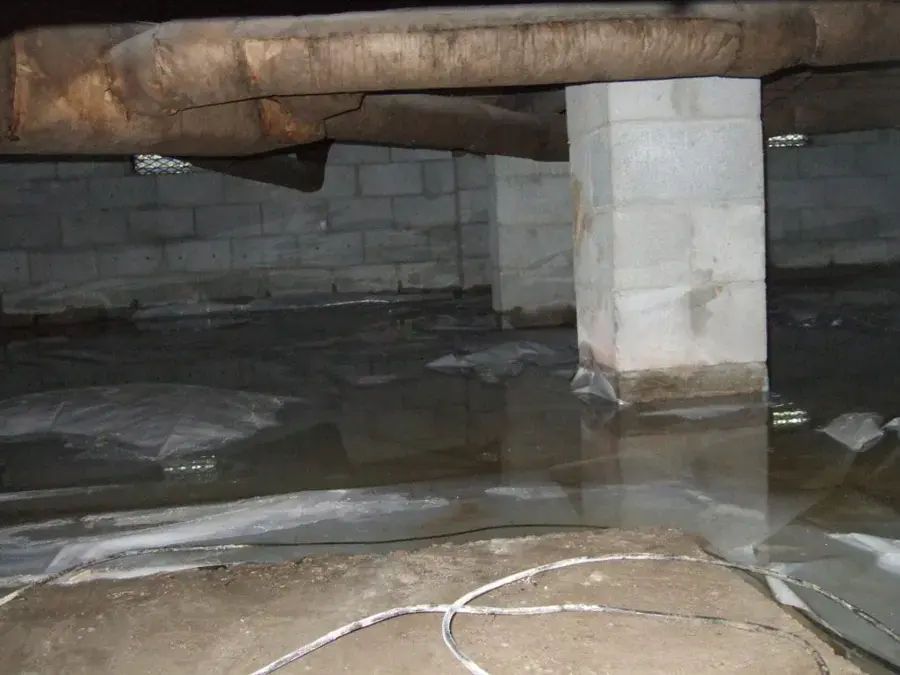
What to do right now for crawl space water damage
Stay out of standing water
Crawl spaces hold wiring, ductwork and sharp debris.
Shut off the water if it is a pipe
Close the main valve or the meter valve at the street.
Turn off the HVAC if ducts are wet
Wet ductwork can push damp air through the house.
Photograph the entry and what you can see
Photos help the claim file.
Call for pump-out and drying
Joists and subfloor soak up water fast.
How crawl space water damage is done right in Maryville
Moisture mapped first
Meters and thermal imaging show what is wet before any equipment goes down.
IICRC S500 drying standard
Equipment is sized to the water category and the class of the loss.
Claim-ready documentation
Daily readings and timestamped photos go into the claim file.
What does crawl space water damage cost in Maryville, TN?
In Maryville, TN, crawl space water damage typically runs $1,800 to $9,000. A small pump-out with dry insulation sits at the low end; a flooded crawl space with wet insulation, a new vapor barrier and wet subfloor costs more.
Pump-out and drying
$1,800 to $3,500
- standing water removed
- air movers and one LGR
- daily readings
Insulation and barrier removal
$3,500 to $7,000
- wet insulation pulled
- vapor barrier replaced
- joists dried
Flooded crawl space with Category 2 water
$6,000 to $9,000+
- antimicrobial applied
- subfloor dried
- ductwork checked
These are typical ranges, not a quote. The drivers are the water category, the square footage, the material class and how fast drying started. For a closer planning number, try the water damage cost calculator.
How crawl space water damage is handled in Maryville, TN
Pump out
Standing water is pumped from the crawl space.
Remove wet materials
Soaked insulation and torn vapor barrier come out.
Dry the framing
Air movers and an LGR dehumidifier run with the vents closed.
Verify and document
Joist readings are logged until they reach the drying goal.
Most Maryville houses built from the 1960s through the 1990s sit on a vented crawl space over red clay. That space holds the supply lines, the drain lines and often the ductwork, so water that gets in stays out of sight until the floors feel soft or the house smells damp.
How water ends up under the house
- Long rains hold water against the foundation until it seeps through the block walls
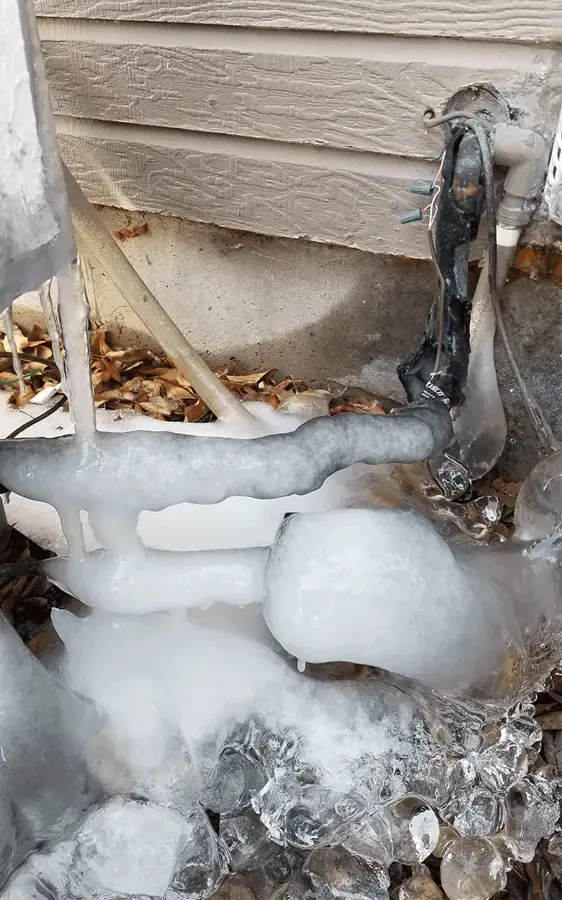
- A supply line under the floor splits in a hard freeze
- A sump pump in the crawl space fails or falls behind
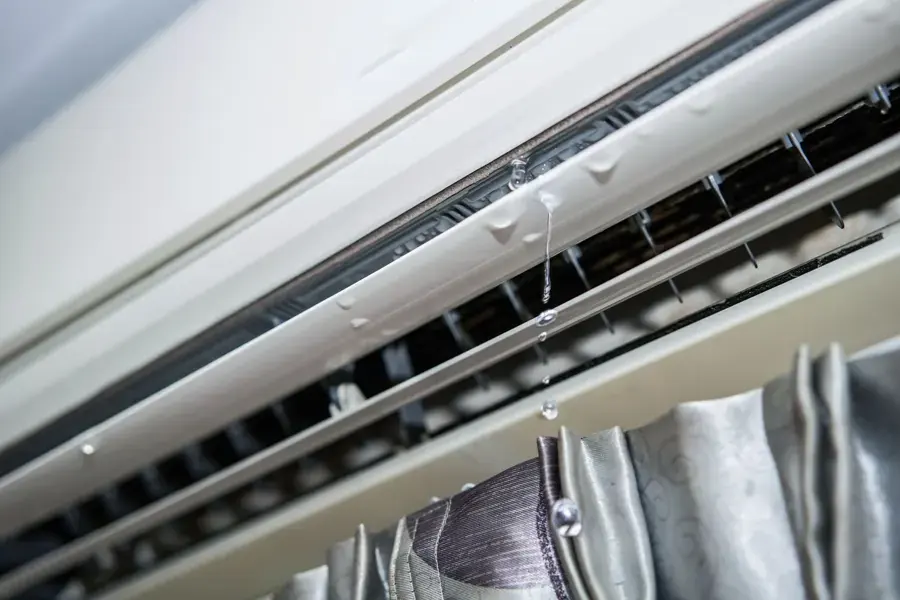
- Summer humidity condenses on cool ducts and pipes and drips onto the insulation
The source decides the water category, and the category decides what can be dried and what has to come out.
How crawl space drying works
The extraction crew pumps out standing water first, then pulls the wet insulation from between the joists and any torn or flooded vapor barrier. The tech who does the walkthrough reads the joists, sill plates and subfloor with a pin meter, because wood under a house can look dry and still sit well above its normal moisture content.
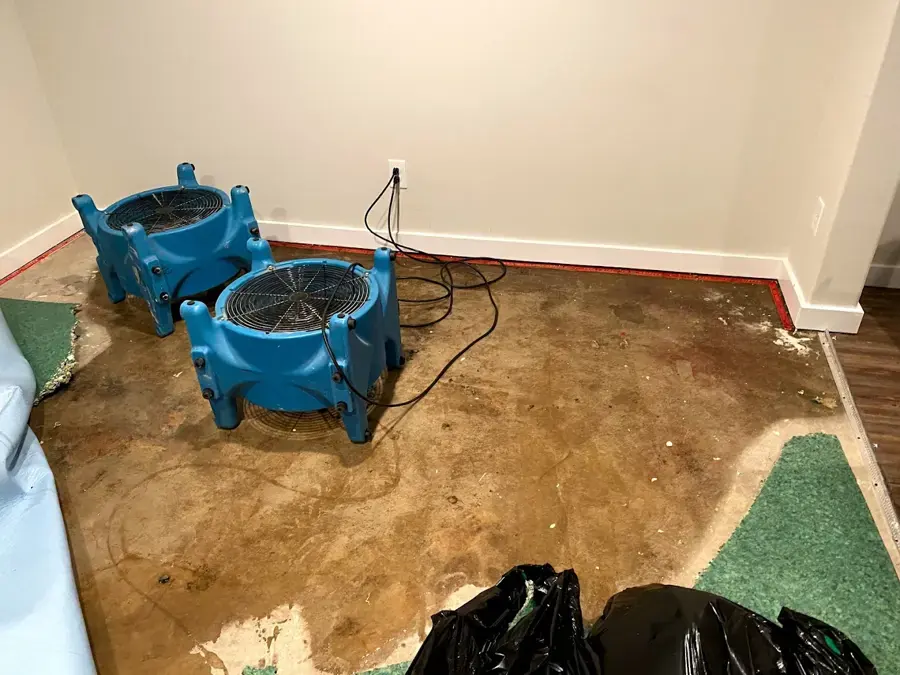
The drying team then closes the foundation vents, sets air movers along the joist bays and runs an LGR dehumidifier sized to the space. Readings are logged daily until the framing matches a dry reference.
Trade fact: open foundation vents pull humid East Tennessee air into the crawl space, so drying crews usually close them while the dehumidifier works.
Keeping the crawl space dry afterward
Grading that slopes away from the house, working gutters and a sealed vapor barrier keep most water out. UT Extension publishes home moisture advice for Tennessee homeowners, and the EPA guidance on mold and moisture explains why damp crawl spaces matter for the rooms above. If the water came from a pipe, see frozen pipe cleanup; if it came from outside, see creek and flash flood cleanup.
Crawl Space Water Damage questions in Maryville, TN
Straight answers about crawl space water damage in Maryville and Blount County.
Is a little water in the crawl space normal?
Damp soil after a storm is common, but standing water is not. Standing water raises the humidity under the house and can wet the joists, so it is worth pumping out and drying.
Does wet insulation have to come out?
Fiberglass batts that are soaked sag, hold water against the subfloor and rarely dry well in place, so the extraction crew removes them. New insulation goes back after the framing reads dry.
Should the crawl space vents be open or closed?
During drying, closed. Open vents pull in humid outdoor air, which works against the dehumidifier. Long-term vent choices are a separate conversation with a crawl space contractor.
How long does crawl space drying take?
Most crawl spaces dry in three to six days once the water is out, longer when the joists were soaked or the weather is humid. Equipment comes out on readings, not on a date.
Can crawl space water damage the floors above?
Yes. Wet subfloor can cup hardwood, loosen vinyl and swell the bottom of cabinets. Drying the framing from below protects the finished floors.
Is crawl space water covered by insurance?
A burst pipe is often treated differently from groundwater or runoff. Coverage depends on your policy, so it is worth checking with your own insurer.
Crawl space water damage across Maryville, TN
The Maryville restoration crew handles crawl space water damage from downtown and the Pistol Creek corridor out to Montvale Road, Sevierville Road and Wildwood, ZIP codes 37801, 37802, 37803 and 37804, with Alcoa, Eagleton Village, Rockford, Louisville, Friendsville, Walland, Townsend and Seymour close by.
Related water damage services in Maryville
Water damage in Maryville right now?
The restoration team extracts standing water, dries the structure to the IICRC S500 standard and documents every step for your insurance claim.