Structural Drying in Maryville, TN
Surface dry is not structurally dry. The drying team sets air movers and LGR dehumidifiers to the load of each room and crawl space, and the equipment stays until the readings say dry.
(888) 849-5796Need a Maryville drying plan? Call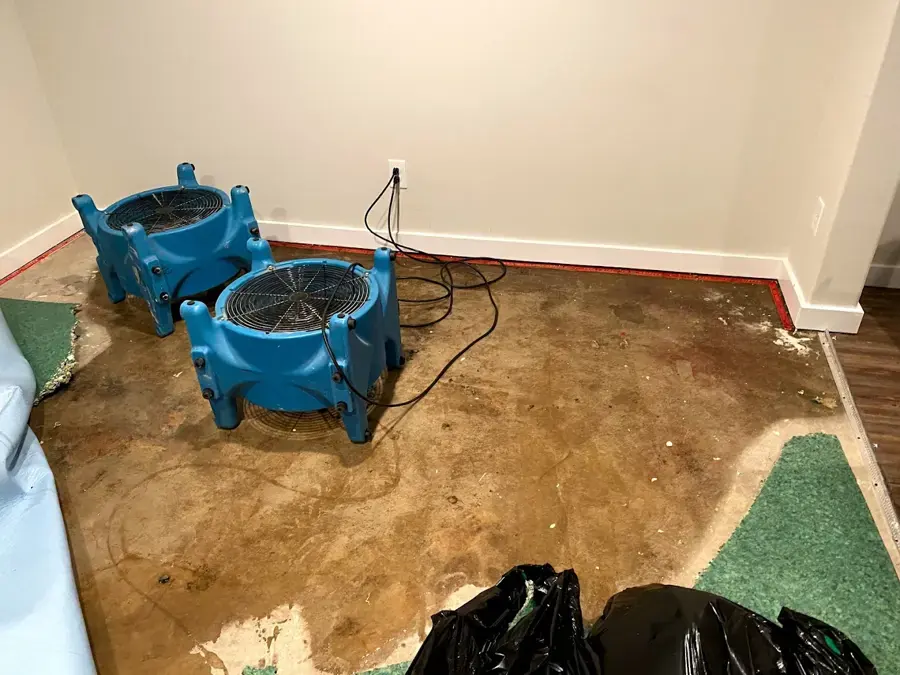
What to do right now for structural drying
Stop the source
Drying cannot start while water is still coming in.
Get the standing water out
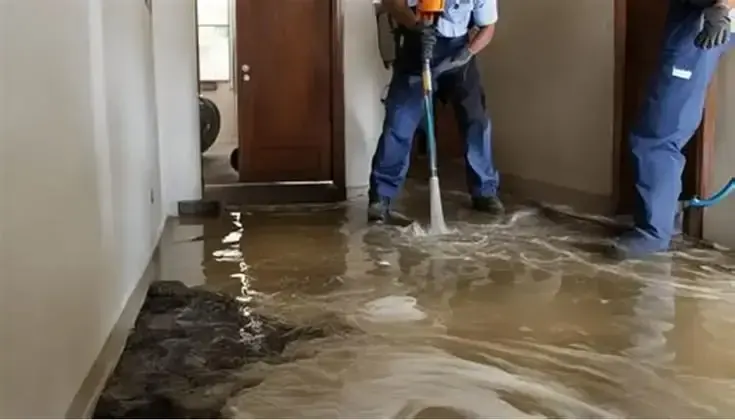
Extraction comes before drying equipment.
Keep windows closed
Humid outside air slows the drying.
Leave the equipment running
Turning it off at night adds days.
Call for a drying plan
Readings decide what stays and what goes.
How structural drying is done right in Maryville
Moisture mapped first
Meters and thermal imaging show what is wet before any equipment goes down.
IICRC S500 drying standard
Equipment is sized to the water category and the class of the loss.
Claim-ready documentation
Daily readings and timestamped photos go into the claim file.
What does structural drying cost in Maryville, TN?
In Maryville, TN, structural drying typically runs $900 to $7,500, depending on how many rooms and how much equipment the class of the loss requires. One room of Class 1 drying sits at the low end; a crawl space and several rooms of Class 3 or 4 drying cost more.
One room, Class 1 or 2
$900 to $2,200
- a few air movers
- one LGR
- daily readings
Several rooms or crawl space
$2,200 to $5,000
- several LGR units
- joists and walls
- psychrometric logs
Class 4, hardwood or plaster
$4,500 to $7,500+
- desiccant units
- floor mats
- extended drying
These are typical ranges, not a quote. The drivers are the water category, the square footage, the material class and how fast drying started. For a closer planning number, try the water damage cost calculator.
How structural drying is handled in Maryville, TN
Map and reference
Wet areas are mapped and a dry reference taken.
Classify and set
Class 1 through 4 sets the equipment count.
Dry and log
Readings are recorded daily and equipment adjusted.
Verify dry
Equipment leaves when materials reach the drying goal.
After the standing water is gone, most of the water in a wet house is still in the materials: the joists and subfloor over the crawl space, the bottom of the drywall, the framing and the hardwood. Structural drying is how that water comes out without tearing out more than necessary.
What structural drying covers
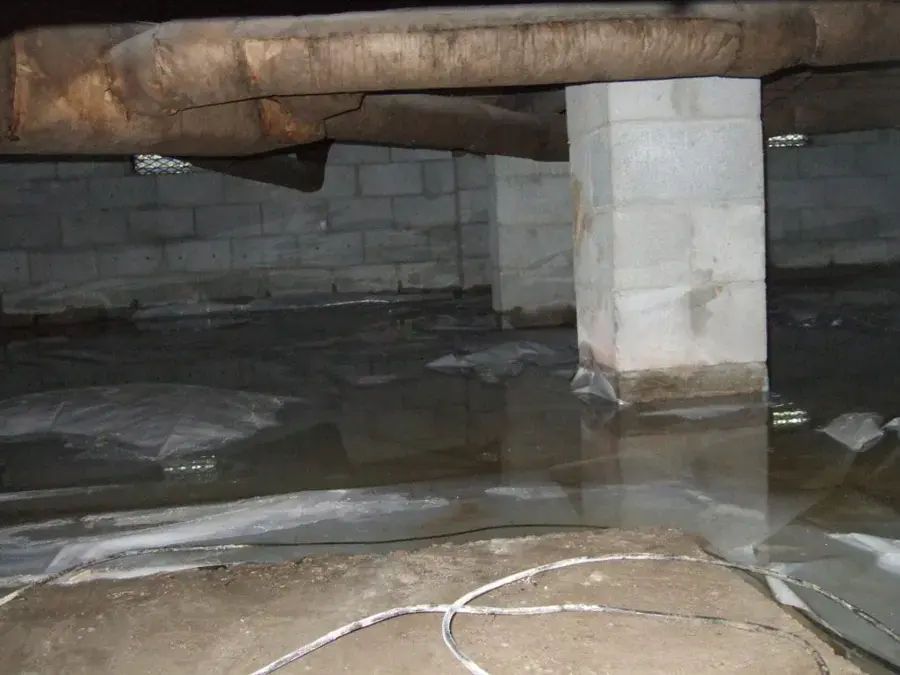
- Crawl space joists, sill plates and subfloor
- Wall cavities and bottom plates
- Hardwood floors and concrete slabs
- Ceilings, insulation cavities and cabinets
How the drying is set up
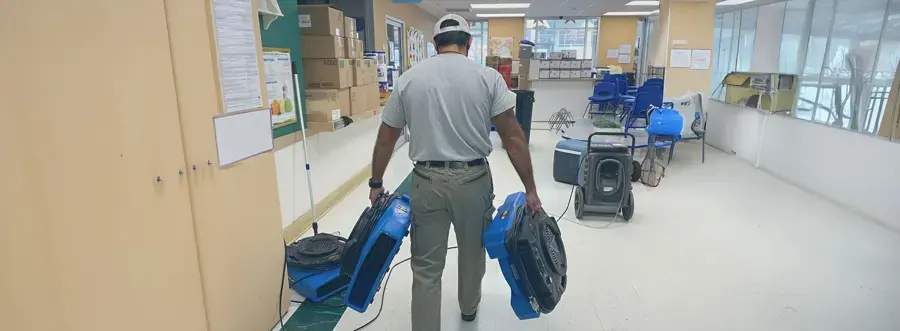
The tech who does the walkthrough maps the moisture and takes a dry reference reading from unaffected material. The drying team then classifies the loss, Class 1 through 4, which sets how many air movers and dehumidifiers go in. Air movers push air across wet surfaces, LGR dehumidifiers pull that moisture back out of the air, and desiccant units handle dense materials such as hardwood and plaster.
Every day the crew records temperature, humidity and material readings. Equipment moves as areas dry and comes out when the readings reach the goal.
Trade fact: in a humid Maryville summer, opening windows adds moisture instead of removing it, so drying crews keep the house closed and let the dehumidifiers control the air.
Why the readings matter
Materials that look dry can still hold enough water to warp floors, stain paint and grow mold. The EPA guidance on mold and moisture explains the moisture link, and UT Extension covers home moisture for Tennessee homeowners. See how long a loss typically takes with the drying-time estimator, or start with water extraction.
Structural Drying and Dehumidification questions in Maryville, TN
Straight answers about structural drying in Maryville and Blount County.
Why can't I just open the windows?
In humid weather, outside air adds moisture. Closed rooms let dehumidifiers pull the humidity down so materials give up their water.
Why is the equipment so loud?
Air movers push a lot of air across wet surfaces. The noise is temporary, and turning them off at night adds days to the drying.
How do crews know when it is dry?
They compare daily readings to a dry reference from unaffected material. Drying is done when wet materials are within 2 to 4 points of it.
What is Class 4 drying?
Class 4 covers dense materials that hold water tightly, such as hardwood, plaster and concrete. It needs specialty equipment such as desiccants and floor mats.
How long does structural drying take?
Most losses dry in three to five days. Crawl space framing, hardwood and plaster take longer.
Is structural drying covered by insurance?
Drying is usually part of a covered water loss when the loss is covered. Coverage depends on your policy, so it is worth checking with your own insurer.
Structural drying across Maryville, TN
The Maryville restoration crew handles structural drying from downtown and the Pistol Creek corridor out to Montvale Road, Sevierville Road and Wildwood, ZIP codes 37801, 37802, 37803 and 37804, with Alcoa, Eagleton Village, Rockford, Louisville, Friendsville, Walland, Townsend and Seymour close by.
Related water damage services in Maryville
Water damage in Maryville right now?
The restoration team extracts standing water, dries the structure to the IICRC S500 standard and documents every step for your insurance claim.